
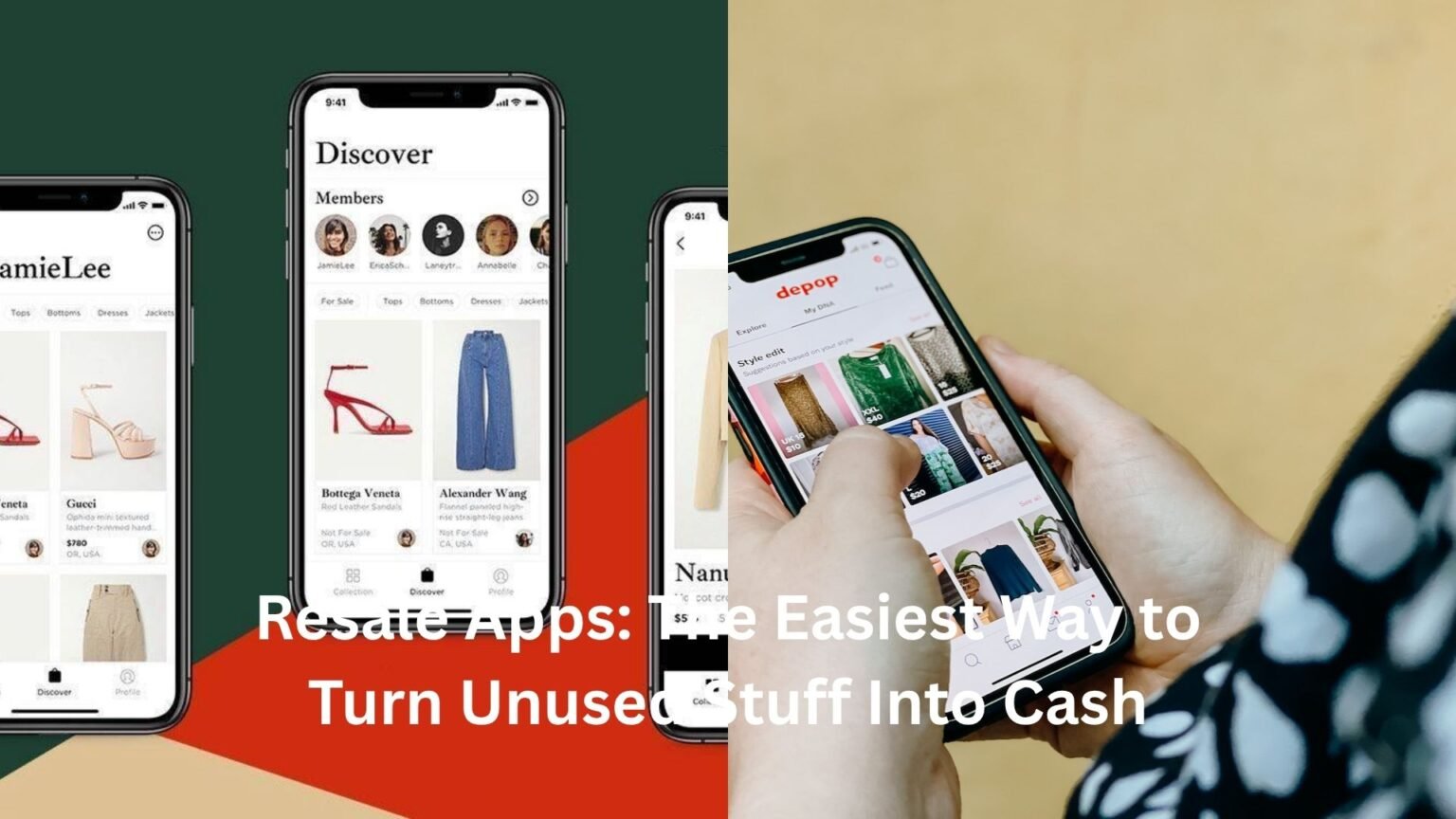
Most people have money sitting around their homes without realizing it.
It could be a coat that’s been sitting unused, an old smartphone tucked away in a drawer, or a piece of furniture that suited a previous home but no longer fits your space. The challenge isn’t finding things to sell. It’s figuring out what to do with them.
That’s where resale apps changed the game.
A few years ago, selling secondhand items often meant hosting a garage sale, posting on local classifieds, or hoping a friend knew someone who wanted what you had. Today, you can take a few photos, write a quick description, and reach buyers within minutes.
What’s interesting is that resale apps aren’t just helping people clear clutter. They’ve become part side hustle, part sustainability movement, and part treasure hunt. Some people use them to make extra money every month. Others use them to buy high-quality items at a fraction of retail prices.
Either way, these platforms have quietly become a normal part of everyday shopping.
Why Resale Apps Have Become So Popular
The rise of resale apps isn’t complicated. They solve several problems at once.
People want extra cash. They want less clutter. They want affordable products. And many are becoming more conscious about waste.
Resale apps sit right in the middle of all those needs.
Think about someone upgrading their smartphone. Instead of tossing the old device into a drawer forever, they can list it online and recover part of the original cost. The buyer gets a working phone for less money. Both sides win.
The same thing happens with clothing, furniture, electronics, sports equipment, baby gear, books, and even collectibles.
Economic pressure has played a role too. When prices rise, people naturally look for ways to stretch their budgets. Buying secondhand suddenly feels less like a compromise and more like a smart financial decision.
There’s also a social shift happening. Buying used doesn’t carry the stigma it once did. In many circles, finding a great secondhand deal is something people proudly share.
Different Apps Serve Different Types of Sellers
Not all resale apps work the same way.
Some focus heavily on fashion. Others specialize in local transactions. A few are designed for collectors searching for rare items.
That matters because the best platform often depends on what you’re selling.
Someone trying to sell a designer handbag may have a very different experience from someone getting rid of an old treadmill.
For example, clothing-focused apps usually attract buyers who are actively browsing fashion categories. Local marketplace apps, on the other hand, often work better for bulky items that would be expensive to ship.
Furniture is a good example. A couch that would cost a fortune to ship can often sell quickly to someone nearby willing to pick it up.
Meanwhile, niche collector communities can sometimes pay significantly more for specialized items because the audience understands the product’s value.
Matching the item to the right platform often makes a bigger difference than people expect.
The Photos Matter More Than Most People Think
Here’s a mistake many new sellers make.
They spend five minutes taking photos in a dark room and wonder why nobody responds.
Buyers can’t physically inspect products through a screen. Photos become the inspection.
Good pictures don’t require expensive equipment. Most modern phones are more than capable. What matters is lighting, clarity, and honesty.
Natural daylight tends to work best. A clean background helps. Multiple angles answer questions before buyers have to ask them.
If there’s a scratch, show it.
That might sound counterintuitive, but transparency builds trust.
A seller who openly photographs flaws often appears more reliable than someone whose photos seem carefully designed to hide imperfections.
People generally don’t expect used items to look brand new. They just want to know exactly what they’re getting.
Pricing Is Part Science, Part Psychology
Setting a price can feel surprisingly difficult.
Ask too much and the listing sits untouched. Ask too little and you leave money on the table.
Most experienced sellers start by looking at similar sold listings rather than current active listings. That’s an important distinction.
Anyone can list an item for an unrealistic amount. Sold listings reveal what buyers actually paid.
Condition matters too. So does timing.
A winter coat is usually easier to sell in cold weather. Outdoor furniture tends to attract more interest when temperatures rise. Electronics may see increased demand around gift-giving seasons.
Sometimes a small pricing adjustment makes all the difference.
A seller might list something for $100 and receive no interest. Dropping it to $90 suddenly creates multiple inquiries. Human behavior isn’t always perfectly logical, but pricing psychology is real.
Patience helps as well. Not every item sells immediately.
Communication Can Make or Break a Sale
Many transactions are won or lost through simple messaging.
Buyers often ask questions that are already answered in the description. It happens constantly.
While it can be frustrating, responding politely usually leads to better outcomes.
Quick replies help. Clear answers help even more.
Imagine someone interested in a used bicycle. They ask whether the brakes were recently serviced. A vague response creates uncertainty. A specific answer builds confidence.
Trust is incredibly important in peer-to-peer marketplaces because buyers are dealing with individual sellers rather than traditional stores.
Good communication reduces hesitation.
It also helps avoid misunderstandings later.
Safety Should Never Be an Afterthought
Most resale transactions go smoothly, but it’s still important to use common sense.
For local sales, many people prefer public meeting locations. Some communities even offer designated exchange zones near police stations or public buildings.
When shipping items, using tracked delivery provides protection for both parties.
Payment methods matter too. Secure platform-supported payments generally offer better safeguards than unusual payment requests.
If something feels off, it probably deserves extra caution.
Experienced users often talk about developing a feel for questionable interactions. Strange urgency, inconsistent stories, or requests to move conversations away from the platform can sometimes be warning signs.
Fortunately, most buyers and sellers are simply trying to complete a straightforward transaction.
The Unexpected Benefits Beyond Money
The financial side gets most of the attention, but resale apps offer other benefits that are easy to overlook.
One is reducing waste.
Products often have far more useful life left than people assume. A desk, lamp, bicycle, or kitchen appliance might serve another owner for years.
Another benefit is discovering value in possessions that seemed worthless.
Many people are surprised by what buyers actually want.
An old gaming console gathering dust may have a dedicated market. Vintage clothing can attract enthusiastic collectors. Certain discontinued products become unexpectedly desirable.
Then there’s the satisfaction factor.
Clearing out a closet or garage creates space. Physical space often translates into mental breathing room too.
Anyone who’s completed a major decluttering project knows the feeling.
The cash is nice. The reclaimed space can be even better.
Why Buyers Keep Coming Back
The appeal isn’t limited to sellers.
Buyers continue using resale apps because they offer opportunities traditional retail often can’t match.
Sometimes it’s about saving money.
Sometimes it’s about finding products that are no longer available in stores.
Other times it’s about quality.
A solid wood bookshelf purchased secondhand may cost less than a new particleboard version from a large retailer. The used item can actually be the better product.
Fashion buyers frequently talk about accessing premium brands that would otherwise exceed their budgets.
Parents often appreciate resale apps for children’s items. Kids outgrow clothing, toys, and equipment so quickly that paying full retail price every time can feel wasteful.
The result is a marketplace where both sides can feel like they’re getting a good deal.
Building a Small Reselling Habit
Some people start by selling one or two items and stop there.
Others discover a simple habit that continues for years.
Every few months, they look around their homes and identify things no longer being used. Those items get listed instead of forgotten.
It’s not necessarily a business. It’s more like regular maintenance.
A person might sell an old tablet, unused exercise equipment, and a few jackets over the course of a year. Individually, the amounts may seem modest. Collectively, they can add up to several hundred dollars or more.
The process becomes easier with experience.
Sellers learn how to write better descriptions. They improve their photos. They recognize realistic pricing faster.
Before long, listing an item feels about as routine as posting on social media.
The Future of Resale Apps
The secondhand market continues to grow because it aligns with how many people want to shop and sell today.
Convenience matters. Value matters. Sustainability matters.
Resale apps bring those things together in a way that feels natural.
They’re no longer just digital garage sales. They’ve become a mainstream part of modern commerce, connecting people who have things they no longer need with people actively looking for them.
For anyone curious about trying one, the easiest first step is often the simplest: find something you haven’t used in the last year, take a few good photos, and create a listing.
You might earn a little extra cash. You might clear some space. You might even discover that what looked like clutter to you is exactly what someone else has been searching for.